
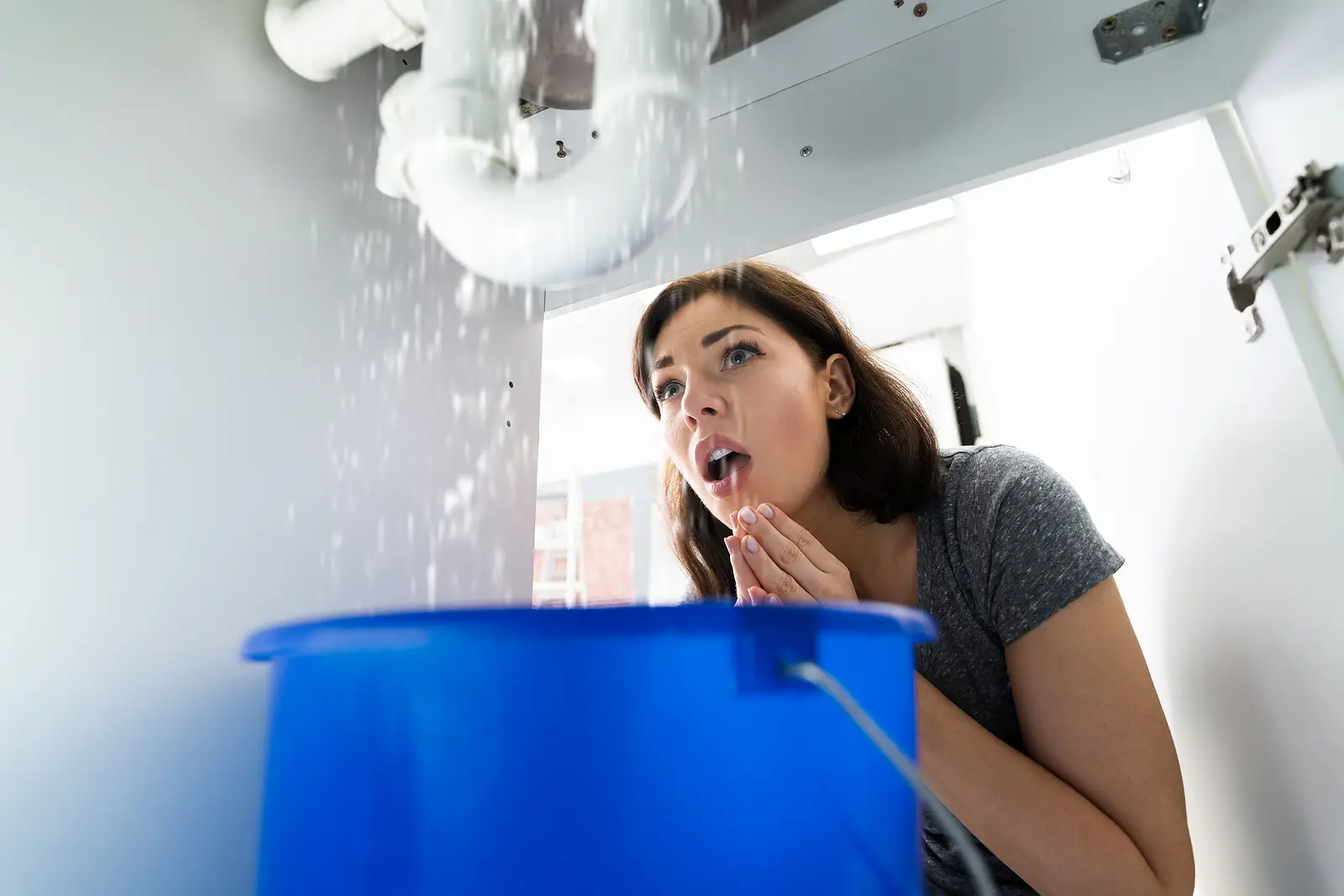
A closer look at your property history, especially when reviewing maintenance coordination basics, can reveal patterns that are easy to miss at first. A clogged drain returns. A light fixture stops working again. At first, it feels like routine upkeep.
Over time, those same problems show up again. What once felt random starts to look consistent. That’s when recurring repairs shift from minor inconveniences to clear warning signs.
These patterns do more than disrupt your schedule. They increase costs, frustrate tenants, and gradually affect how your property performs. Spotting the issue early gives you the chance to correct it before it becomes a bigger problem.
Key Takeaways
- Recurring repairs often point to deeper system inefficiencies rather than isolated issues
- Temporary fixes tend to increase long-term maintenance costs
- Delaying upgrades leads to more frequent breakdowns and reduced efficiency
- Reliable maintenance improves tenant satisfaction and retention
- Identifying repair patterns early helps protect your investment
Why Recurring Repairs Shouldn’t Be Ignored
Repeated maintenance issues rarely happen without a reason. They often signal that the original problem was never fully resolved.
When the same repair appears again, it’s worth stepping back and asking why. Charleston properties, especially those exposed to humidity and coastal conditions, can experience faster wear on systems and materials.
What’s Behind the Pattern
- Plumbing clogs may come from buildup or outdated pipe layouts
- HVAC systems might be aging or undersized for the property
- Electrical issues can point to overloaded or older wiring
If you’ve been exploring eco-friendly upgrades, you’ll notice how modern improvements often reduce recurring maintenance problems while improving efficiency.
Fixing the surface issue without addressing the cause leads to repeat visits and higher costs.
The Hidden Cost of Repeat Fixes
At first, small repairs feel manageable. The real cost builds when those same issues return.
Every repair visit involves labor, materials, and time. When the same problem reappears, those expenses multiply. According to recent data, housing costs reached $2,035 in 2024, highlighting how ongoing expenses continue to rise.
Where the Money Goes
Each repeated repair adds:
- Service call fees
- Replacement parts
- Administrative time coordinating vendors
You may start wondering through questions like who pays for repairs when maintenance becomes frequent. The bigger concern, though, is how quickly those costs stack up.
Short-term fixes solve the immediate issue, but they rarely prevent it from returning.
Delaying Upgrades Makes Things Worse
Putting off replacements can seem like a way to save money. In reality, it often leads to more frequent repairs and higher costs.
Older systems require more attention as they wear down. They become less efficient and more likely to fail. Instead of reducing expenses, delays create a cycle of constant maintenance.
Long-Term Effects of Waiting
- More frequent service calls
- Increased utility costs from inefficient systems
- Shorter lifespan of equipment
- Higher risk of sudden breakdowns
Evaluating your property’s performance using tools like an ROI calculator can help you understand when it makes sense to replace instead of repair.
Addressing the root issue early creates stability and reduces ongoing stress.
Tenant Experience Takes a Hit
Recurring maintenance issues don’t go unnoticed. Tenants expect problems to be fixed, not revisited.
When the same issue comes back, it creates frustration. Even if repairs are handled quickly, repeated disruptions affect how tenants feel about the property.
Signs Tenants Are Losing Confidence
- Repeated complaints about the same issue
- Frustration during maintenance requests
- Lower satisfaction despite quick responses
- Hesitation when it’s time to renew
Regular check-ins, like property inspection timing, can help catch recurring issues before they affect tenant satisfaction.
Reliable repairs build trust. Repeated problems weaken it.
Turnover Becomes More Likely
Tenants are more likely to leave when issues continue. Even small problems can influence their decision if they happen often.
Turnover adds new costs. Vacancy periods, cleaning, marketing, and leasing all affect your bottom line. Frequent move-ins also increase wear on your property.
Why Stability Matters
A well-maintained property encourages tenants to stay longer. When issues are handled properly the first time, tenants feel more comfortable renewing.
You can also get a clearer picture of your rental’s performance by reviewing a free rental analysis to identify areas where recurring issues may be affecting returns.
Consistency in maintenance leads to better long-term occupancy.
Smarter Maintenance Leads to Better Results
Breaking the cycle of recurring repairs requires a more proactive approach.
Instead of reacting to each issue, focus on identifying patterns and addressing root causes. This shift helps reduce costs, improve efficiency, and create a better experience for tenants.
Practical Steps to Take
- Track maintenance history to identify repeat issues
- Invest in long-term solutions instead of quick fixes
- Schedule regular inspections to catch early warning signs
- Upgrade outdated systems when needed
Access to reliable owner resources can also help you stay informed and make better decisions about your property.
When maintenance is handled strategically, your property performs better across the board.
FAQs about Recurring Repairs and Rental Property Efficiency in Charleston, SC
Why do some repair issues seem fixed but return within weeks?
This often happens when only the visible symptom is addressed. Underlying causes like worn components, improper installation, or hidden damage remain unresolved, allowing the issue to resurface shortly after the initial repair.
How can maintenance records help prevent repeated repairs?
Detailed records reveal patterns over time, showing which systems fail frequently and where costs accumulate. This insight helps you shift from reactive fixes to targeted solutions that address the root cause effectively.
Are recurring repairs more common in older rental properties?
Yes, older properties tend to experience more repeat issues due to aging infrastructure, outdated materials, and gradual wear. Without timely upgrades, these systems require frequent attention and become less reliable over time.
What role does climate play in recurring maintenance problems?
Charleston’s humidity and coastal conditions can accelerate wear on plumbing, electrical systems, and HVAC units. Moisture and salt exposure contribute to corrosion and inefficiency, increasing the likelihood of recurring issues.
How can professional maintenance support reduce repeat issues?
Professional oversight helps identify patterns, coordinate reliable repairs, and recommend long-term solutions. This approach reduces repeated service calls and ensures problems are resolved properly the first time, improving overall property performance.
Break the Cycle and Protect Your Charleston Investment
Recurring repairs are often early warning signs that something deeper needs attention. Ignoring them leads to higher costs, repeated disruptions, and declining tenant satisfaction.
At PMI Adams Properties, we help you move beyond temporary fixes. Our team focuses on identifying root causes, improving efficiency, and keeping your property performing at its best.
Give your rental a stronger foundation by choosing to eliminate repeat maintenance headaches and keep your investment running with fewer interruptions.
